
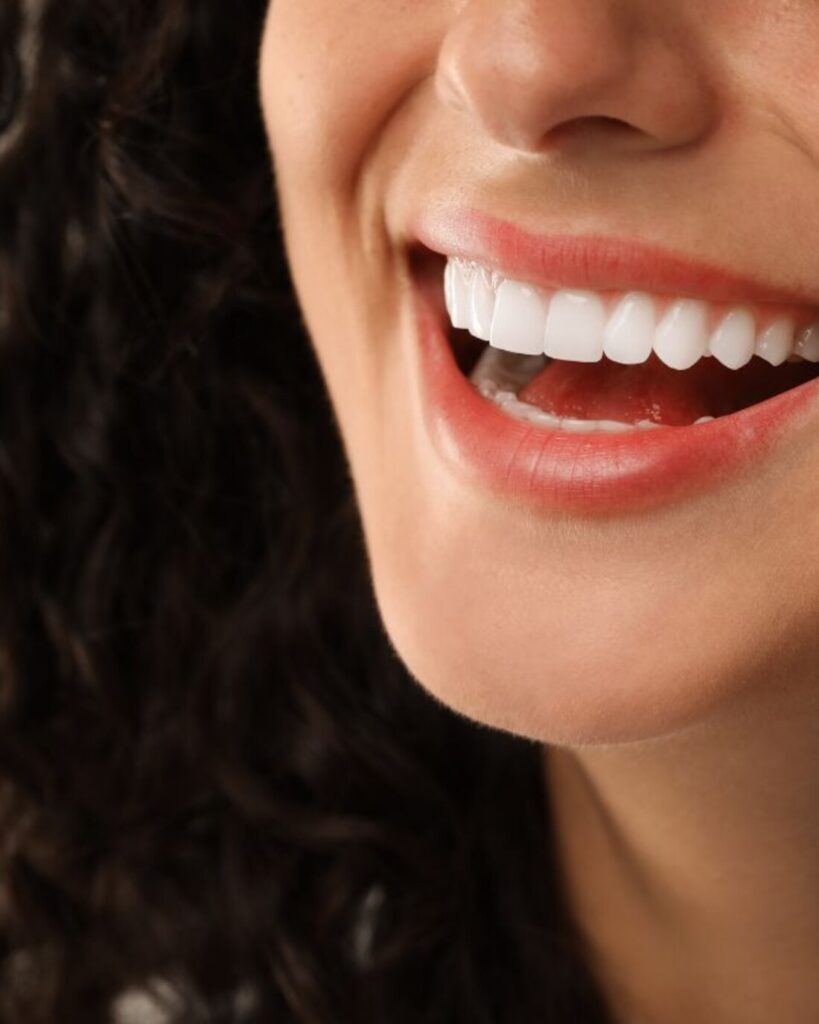
If you’ve been searching “how much do veneers cost in Sterling VA,” you’re probably picturing a smile you’d feel good about in photos, at work, or just when you catch your reflection in the mirror. You’re also probably a little wary of getting a real answer. A lot of dental websites either hide their pricing completely or throw out a number that turns out to be nothing like what you actually pay.
I’m Dr. Jafari, and at Inova Dental in Sterling, I’ve had this conversation with patients more times than I can count. So let’s have the honest version. In this article, I’ll walk you through what veneers typically cost in Northern Virginia, what actually drives that price up or down, how veneers compare to other smile options like bonding, crowns, and whitening, and what to expect if you decide to move forward. My goal isn’t to sell you on veneers. It’s to help you understand your options clearly enough to make a decision that’s right for you.
What determines the cost of veneers in Sterling, VA
There’s no single price tag for veneers, because veneers aren’t a single product. The cost depends on the material you choose, how many teeth you’re treating, the amount of prep work your teeth need, and the skill and time involved in shaping and fitting them.
Across Northern Virginia, patients typically see a general price range of about $800 to $2,500 per tooth, depending mostly on whether you choose porcelain or composite veneers. A single tooth to fix a chip is going to cost very differently than a full set of 8 or 10 veneers for a complete smile makeover.
I want to be upfront about something: that range is a general industry figure, not a quote from Inova Dental. We don’t publish a fixed price for veneers because your case genuinely determines the number. Two patients wanting “the same thing” can end up with very different treatment plans once we actually look at their teeth, bite, and goals. The only way to get a real number for your mouth is a consultation, which I’ll talk more about below.
Veneers vs. crowns — which is right for me?
This is one of the most common questions I get, because veneers and crowns can look similar from the outside but solve different problems.
A veneer is a thin shell, usually porcelain, bonded to the front surface of a tooth. It’s mainly used for cosmetic changes — covering discoloration, closing small gaps, or evening out shape and size. Veneers require removing only a small amount of tooth structure.
A crown covers the entire tooth, not just the front surface. Crowns are usually the better choice when a tooth has significant decay, a large filling, a crack, or has had root canal treatment. Crowns tend to cost more than veneers because they involve more material and more of the tooth is reshaped.
As a general rule: if your teeth are structurally healthy and you’re addressing appearance, veneers are often the more conservative option. If a tooth is weakened or heavily restored already, a crown is usually the smarter long-term choice. This isn’t something to guess at from a blog post, though — it really does depend on what we see on your exam and X-rays.
Porcelain vs. composite veneers — cost and durability differences
Once you’ve decided veneers are worth exploring, the next decision is material.
Porcelain veneers are custom-made, typically in a dental lab, and bonded to your teeth over a couple of visits. They tend to resist staining well and can hold up for many years with normal care. They’re also the more expensive option of the two, generally landing at the higher end of that $800–$2,500 per tooth range.
Composite veneers are built up directly on the tooth by the dentist in a single visit, using a tooth-colored resin material. They cost less than porcelain, often significantly, and can be a reasonable option for smaller fixes or for patients who want to try a change before committing to porcelain. The tradeoff is that composite is more prone to staining over time and typically doesn’t last as long as porcelain before needing touch-ups or replacement.
Neither material is universally “better” — it depends on your budget, your timeline, and how long you want the result to last before maintenance is needed.
How long do veneers last?
Porcelain veneers are generally expected to last a good number of years — often cited in the range of a decade or more — with consistent home care and regular dental visits. Composite veneers tend to have a shorter lifespan and may need repair or replacement sooner.
That said, longevity depends heavily on habits. Grinding your teeth at night, biting hard objects (ice, pens, fingernails), and skipping regular checkups can shorten the life of any dental work, veneers included. If you grind your teeth, we may recommend a nightguard to protect your investment.
Are veneers covered by dental insurance or Medicaid?
I’ll be direct here because I don’t think patients should find this out after the fact: veneers are considered a cosmetic procedure in almost all cases, which means most dental insurance plans do not cover them, and Medicaid programs — including Virginia Cardinal Care and Smiles For Children, which we do accept at Inova Dental — generally do not cover cosmetic veneers either.
Where it gets more nuanced is if a tooth has a functional problem alongside a cosmetic one. In some cases, a medically necessary alternative like a crown, filling, or bonding may be eligible for coverage where a purely cosmetic veneer would not be. If cost and coverage are a real concern for you, it’s worth discussing during your consultation so we can talk through what’s covered, what isn’t, and whether a different approach makes more sense for your situation and your budget.
How many visits does getting veneers take?
For porcelain veneers, the process is typically two to three visits:
- A consultation and planning visit, where we discuss your goals, examine your teeth, and take X-rays and images.
- A prep visit, where a thin layer of enamel is removed from the teeth being treated, impressions are taken, and temporary veneers may be placed while your permanent ones are custom-made.
- A placement visit, where the final veneers are bonded to your teeth and adjusted for fit and bite.
For composite veneers, it’s often possible to complete treatment in a single visit, since the material is shaped directly onto the tooth chairside.
Veneers vs. teeth whitening vs. bonding for a smile makeover
Not every smile concern needs veneers. Sometimes a simpler, less expensive option gets you most of the way there.
| Option | Best for | General cost level | Durability |
|---|---|---|---|
| Teeth whitening | Yellowing or dullness on otherwise healthy teeth | Lowest cost | Temporary; needs repeating over time |
| Bonding | Small chips, gaps, or minor shape changes | Low to moderate cost | Several years; can chip or stain |
| Composite veneers | Broader cosmetic changes on a budget | Moderate cost | Moderate lifespan; may need touch-ups |
| Porcelain veneers | Long-term, stain-resistant smile transformation | Highest cost | Longest-lasting of the cosmetic options |
| Crowns | Teeth with structural damage, not just cosmetic concerns | Moderate to high cost | Long-lasting, restores full tooth |
If you’re also curious about straightening rather than reshaping your teeth, we also offer Invisalign, with treatment starting around $1,350 for qualifying cases — sometimes a combination of straightening and a smaller amount of cosmetic work is more conservative (and more affordable) than veneers alone.
Who’s a good candidate for veneers vs. alternatives?
Generally, veneers work well for patients with healthy teeth and gums who want to improve color, shape, size, or minor spacing. If you have active decay, gum disease, significant tooth wear, or a tooth that’s already heavily filled or cracked, we’ll likely want to address that first, or recommend a crown or other restoration instead. Veneers also aren’t reversible, since a small amount of enamel is removed, so it’s worth being confident in the decision before moving forward. This is exactly the kind of thing we sort out together at a consultation rather than guessing from general information online.
You can learn more about the procedure itself on our dental veneers service page.
Curious what veneers would actually cost for your smile?
At Inova Dental, we offer a free cosmetic consultation — no cost, no pressure. We’ll look at your teeth, talk through your goals, and give you real options and real numbers for your specific case, whether that’s veneers, bonding, whitening, or something else entirely.
Call us at (703) 433-1400 or book your consultation online.
Frequently asked questions
Veneers vs. crowns — which is right for me?
It depends on the health of the tooth underneath. Veneers are typically for cosmetic changes on structurally healthy teeth, while crowns are usually recommended when a tooth has decay, a crack, or significant existing dental work. We’ll be able to tell you which fits your situation after an exam.
Porcelain vs. composite veneers — what’s the cost and durability difference?
Porcelain veneers cost more but tend to resist stains better and last longer. Composite veneers are more affordable and can often be done in a single visit, but they generally don’t last as long and are more prone to staining over time.
How long do veneers last?
Porcelain veneers often last a decade or more with good care, while composite veneers typically need repair or replacement sooner. Grinding, biting hard objects, and skipping checkups can shorten the lifespan of either type.
Are veneers covered by dental insurance or Medicaid?
Usually not. Veneers are considered cosmetic in most cases, so most insurance plans and Medicaid programs, including Virginia Cardinal Care and Smiles For Children, typically don’t cover them. In some situations, a medically necessary alternative like a crown or bonding may have different coverage, which is worth discussing with us directly.
How many visits does getting veneers take?
Porcelain veneers usually take two to three visits: a consultation, a prep visit, and a placement visit. Composite veneers can often be completed in a single visit since they’re shaped directly on the tooth.
Is a cosmetic consultation free at Inova Dental?
Yes. We offer a free cosmetic consultation to discuss veneers, bonding, whitening, or a full smile makeover plan, with no cost and no pressure to move forward.
If you’ve been putting off asking about veneers because you weren’t sure what they’d cost or whether they were even the right fit, I’d rather you get a straight answer than keep guessing. Come in for a free cosmetic consultation at Inova Dental in Sterling, and we’ll look at your smile together and talk through real options and real numbers. Call us at (703) 433-1400, or if you’re a new patient, you can also learn about our $29 new-patient exam and X-ray offer while you’re at it. We serve patients throughout Sterling, Ashburn, Dulles, and Loudoun County, and our team is happy to work with you in English or Farsi.